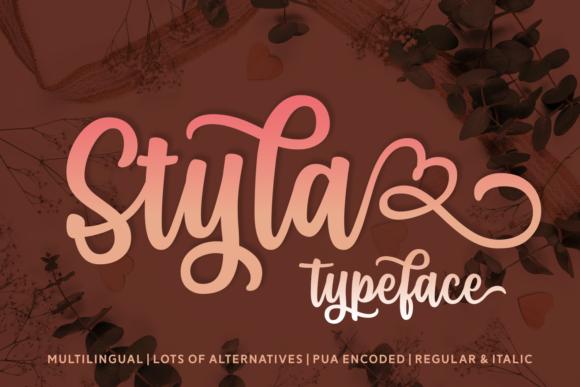
Styla: A Bold Handwritten Font with Urban Flair
There’s a moment in every branding project where you open a blank brand board and feel the weight of the task ahead. For me, that moment came recently while working on a boutique identity for a local coffee shop. I needed a font that would capture the essence of the brand—modern, approachable, and a little edgy. That’s when I pulled out Styla.
Styla is a fun and bold handwritten font with a unique urban spin. It has that unmistakable handcrafted feel, but with a modern twist that makes it stand out in a crowded design space. The first thing I noticed was how it brought energy to my logo draft. It wasn’t just a font—it was a personality, one that felt right for the brand’s vibe.
A Typeface That Speaks Volumes
Styla isn’t your typical script font. It’s got a strong, confident stroke that gives it a sense of movement and rhythm. The letters feel alive, almost like they were drawn by someone who’s used to sketching quickly on a café napkin. This makes it perfect for logos, headers, and any design element where you want to make an impression without being too formal.
The font’s urban influence comes through in its sharp angles and dynamic curves. It’s not overly ornate, which keeps it from feeling cluttered. There’s a balance between elegance and casualness that makes it versatile. Whether I was placing it on a packaging mockup or designing a social media layout, Styla adapted well, adding character without overwhelming the design.
Testing Styla in Real Design Scenarios
I tested Styla across multiple touchpoints. On a business card, it added a touch of personality that made the brand feel more authentic. When I used it on a website header, it immediately caught the eye, creating a visual hierarchy that guided the user’s attention effectively. Even on Instagram posts, it felt natural, as if it had always belonged there.
One of the things I appreciated most was how Styla performed in different sizes. While it’s definitely a display font, I found it surprisingly readable at smaller sizes, especially when used in combination with a clean sans serif body text. This versatility is a big plus, especially for projects that require both headline and body copy.
However, I wouldn’t recommend using Styla for long body text or highly formal corporate settings. Its playful nature might not translate well in contexts that demand a more professional tone. It’s best suited for short phrases, logos, and accents rather than lengthy paragraphs.
Font Pairing & Design Flexibility
When pairing Styla with other fonts, I found that it works best with clean, modern sans serifs like Montserrat or Lato. These pairings create a nice contrast that highlights Styla’s bold personality without making the design feel too chaotic. For a more cohesive look, I sometimes paired it with another script font, like Great Vibes, to maintain a consistent script aesthetic throughout the brand identity.
Styla also includes several alternates, ligatures, and swashes, which add depth and variety to the design. These features are great for creating unique typography elements without sacrificing readability. The font supports multiple languages, which is a bonus for international clients or multilingual branding projects.
One thing I noticed during testing was how Styla looked on printed materials versus digital platforms. It held up well on both, though I made sure to test it at various resolutions to ensure it remained crisp and clear. This attention to detail is essential when working on commercial design assets or print-on-demand products.
Practical Tips for Using Styla
If you’re considering using Styla for a client project, I recommend testing it early in the design process. Try it on a logo draft, a brand board, and a packaging mockup to see how it interacts with the rest of the visual elements. Don’t forget to check the font’s licensing terms—especially if you’re planning to use it in a commercial context, such as a website, merchandise, or branded templates.
Styla is a premium font, so it’s important to review the licensing details carefully. Some fonts have restrictions on commercial use, and others may require a subscription or one-time purchase. Always confirm the terms before finalizing your design work.
In summary, Styla is a standout font that brings a fresh, urban energy to any design project. It’s ideal for brands that want to convey creativity, approachability, and a bit of rebellion. Whether you’re working on a café refresh, a creative studio identity, or a handmade shop branding project, Styla has the potential to elevate your work and make your designs truly stand out.